
Cyprus schools page
the musical instruments


The ‘Musical Instruments’ project
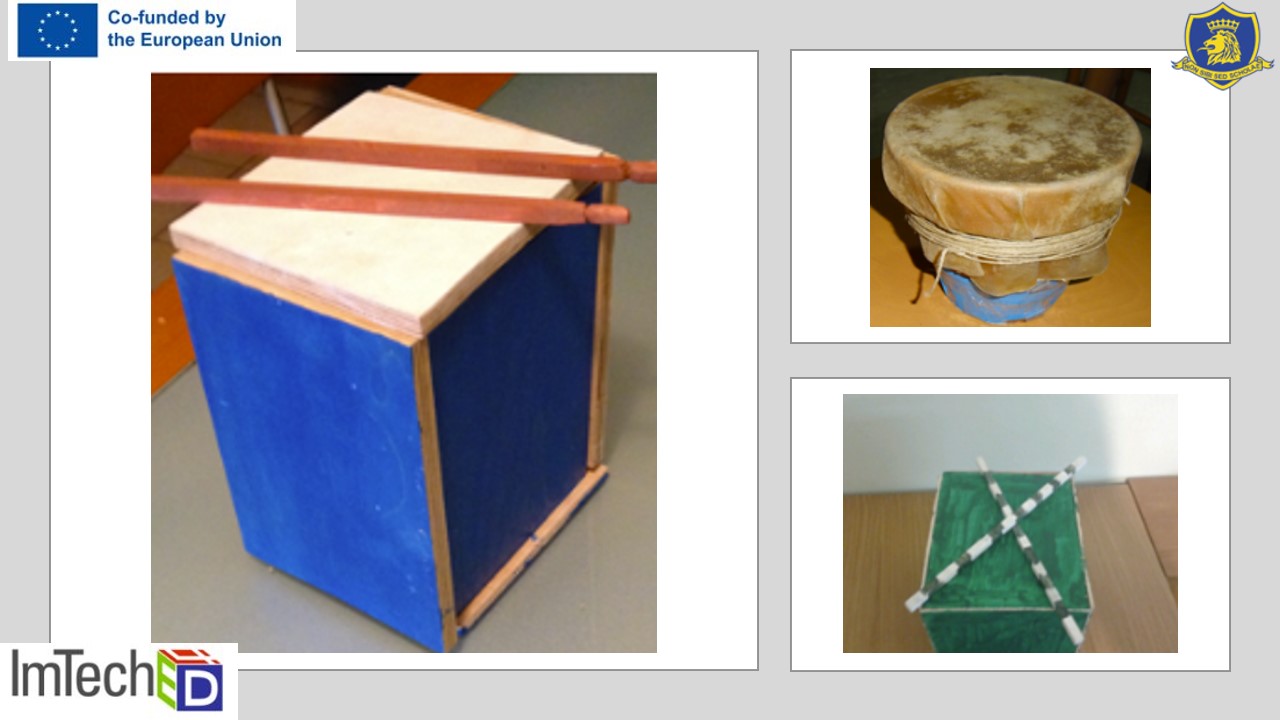
In the spring of 2023, students from the Design and Technology Club of the English School Nicosia (12- 13 years old) embarked on an innovative journey to create their own musical instruments. This exciting initiative was born out of a practical necessity: a shortage of percussion instruments for all students during their music lessons. The project not only aimed to provide students with the tools they needed to perform rhythmic pieces but also encouraged them to explore different materials, manufacturing methods, and the fascinating world of music.
The Scenario
The scenario that inspired ImTech4Ed was rooted in the need for percussion instruments. Music lessons are an essential part of the school's curriculum, and performing rhythms and creating music is part of the school’s Year 1 curriculum. The scenario mentioned that, due to budget constraints and limited resources, there were not enough percussion instruments for all students in a class. The members of the Design and Technology club had to take matters into their own hands, literally, by crafting their own instruments.
Objectives of the Project
• Create Musical Instruments: The primary objective was for students to design and build functional musical instruments. These instruments needed to be suitable for playing rhythmic pieces during music lessons.
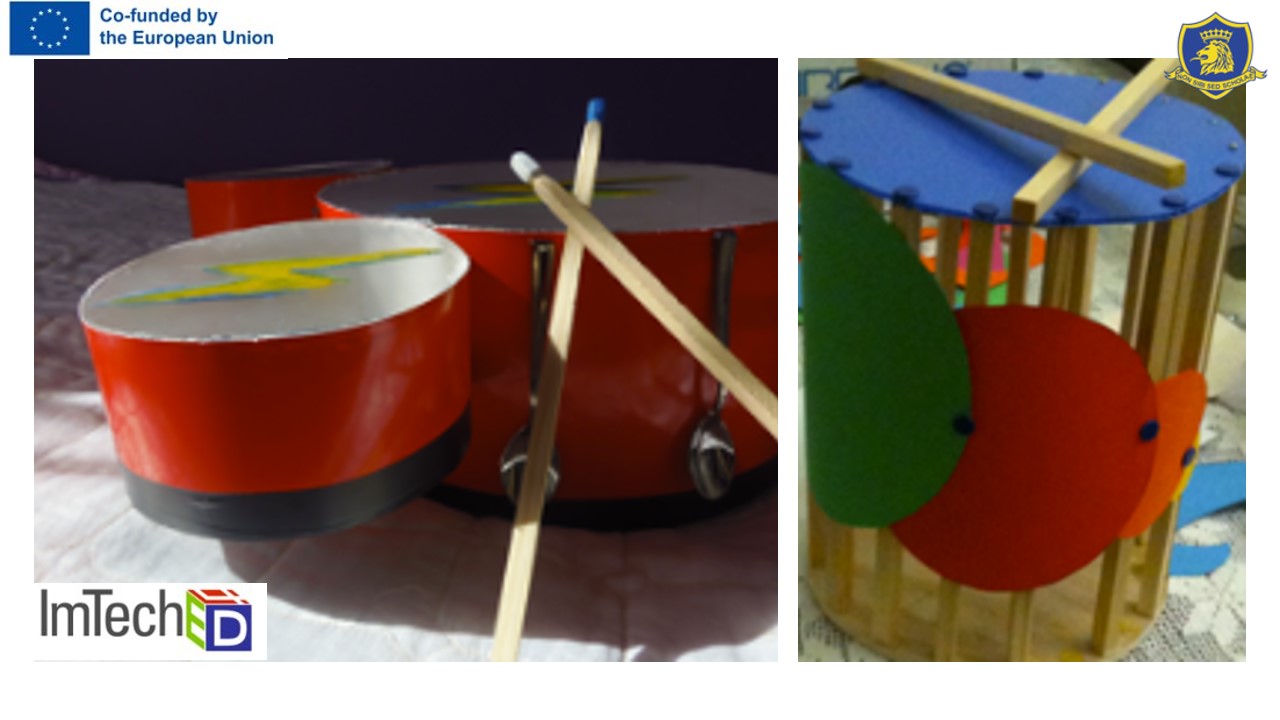
• Encourage Creativity: The project aimed to foster creativity and innovation among students. Each group was tasked with designing instruments with a cohesive appearance, but the instruments in each group had to vary. This variation encouraged students to explore different sounds, materials, and manufacturing techniques.
• Blend Form and Function: ImTech4Ed emphasized the importance of both aesthetics and functionality. The end instruments had to not only look good but also work effectively and be comfortable to use.
• Promote Collaboration: The project promoted teamwork and collaboration. Students had to work in groups, combining their unique ideas and talents to create their musical instruments.
The Process of Work
The journey of creating these unique musical instruments was an engaging and educational experience for the Design and Technology Club members. The process can be summarized in several key steps:
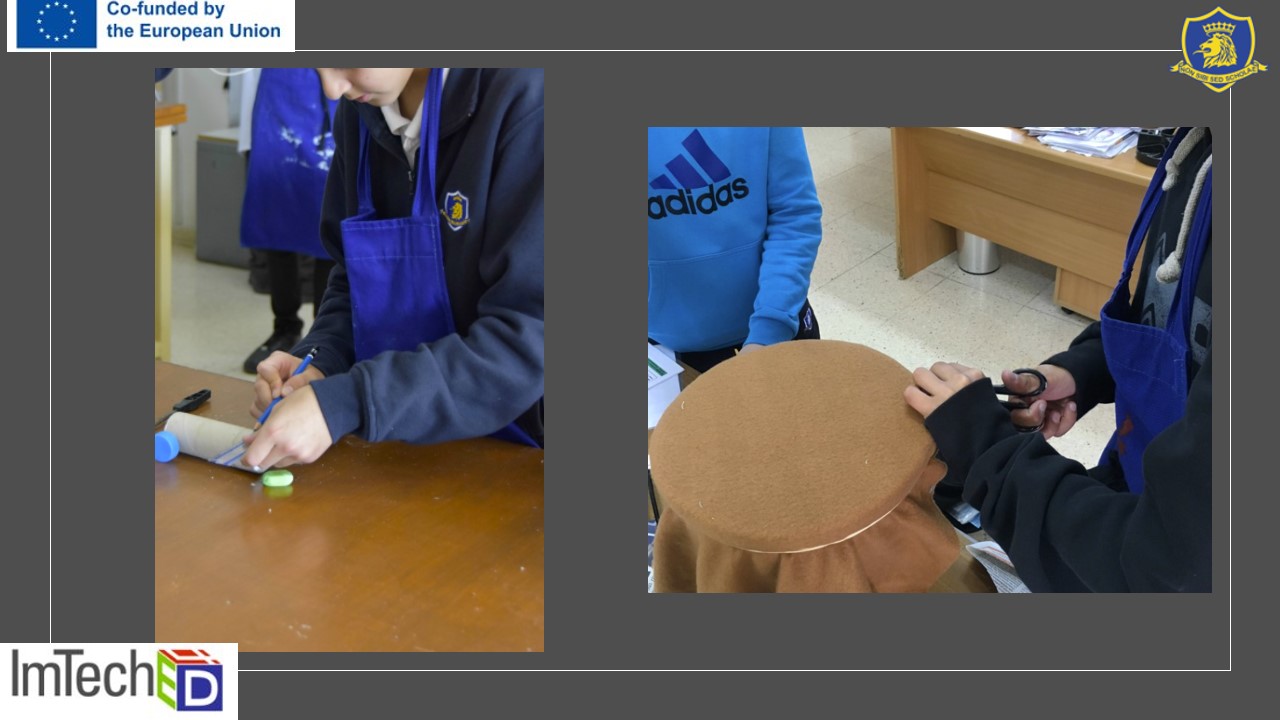
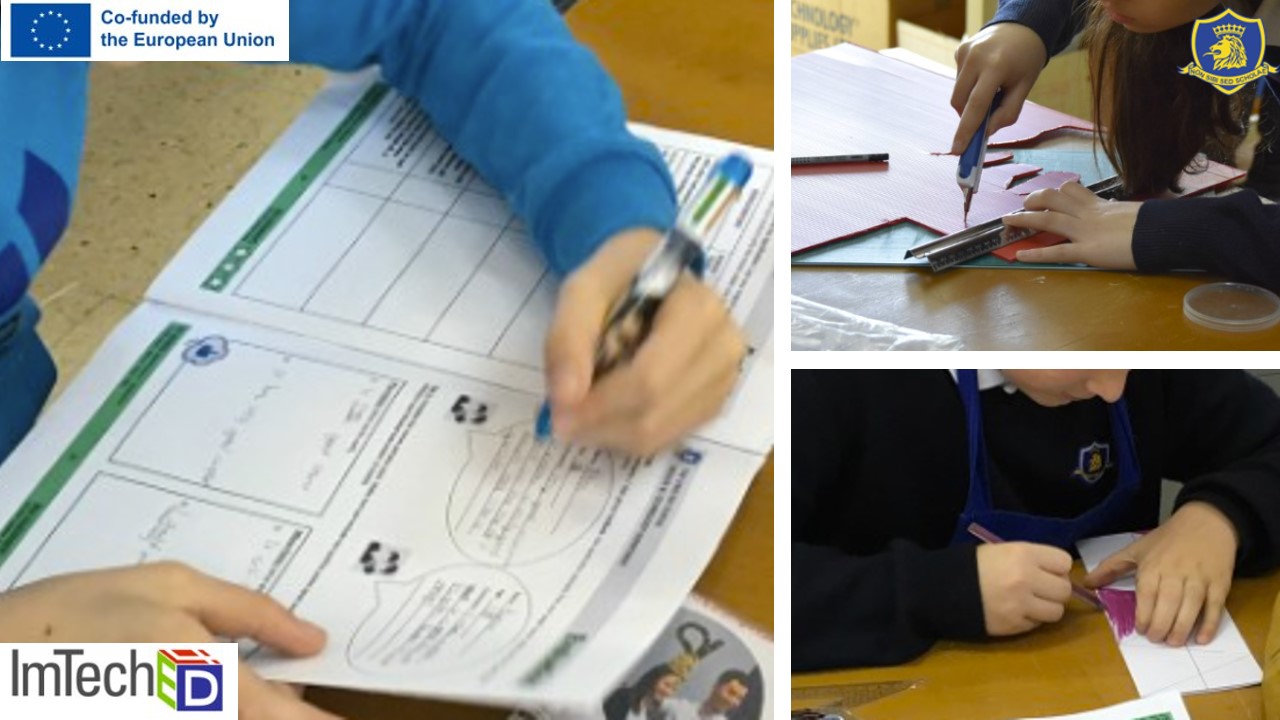
• Research and Design: The students began by researching different musical instruments, understanding their structure, and delving into the principles of sound. They then collaboratively designed their instruments, considering the desired appearance, materials, and functionality.
• Material Selection: Once the designs were finalized, the students carefully selected materials. They explored a wide range of options, including wood, metal, plastic, and even recycled materials. This step allowed them to experiment with different textures and resonances.
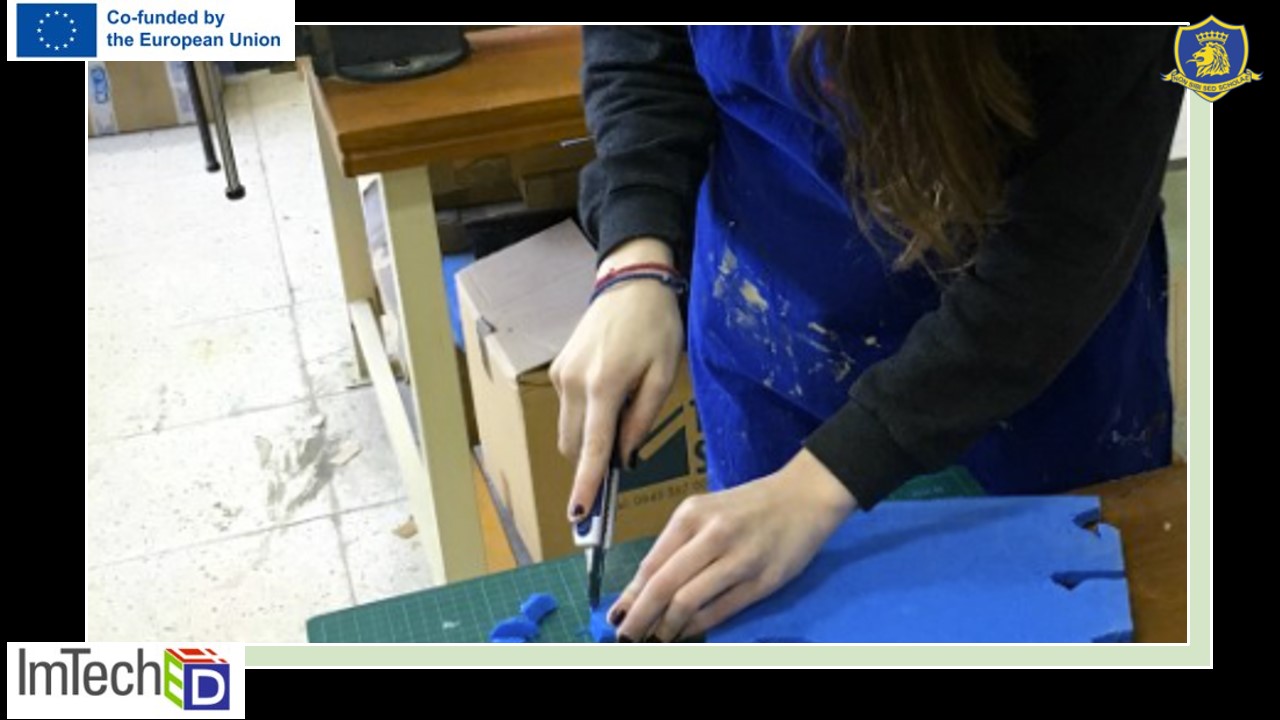
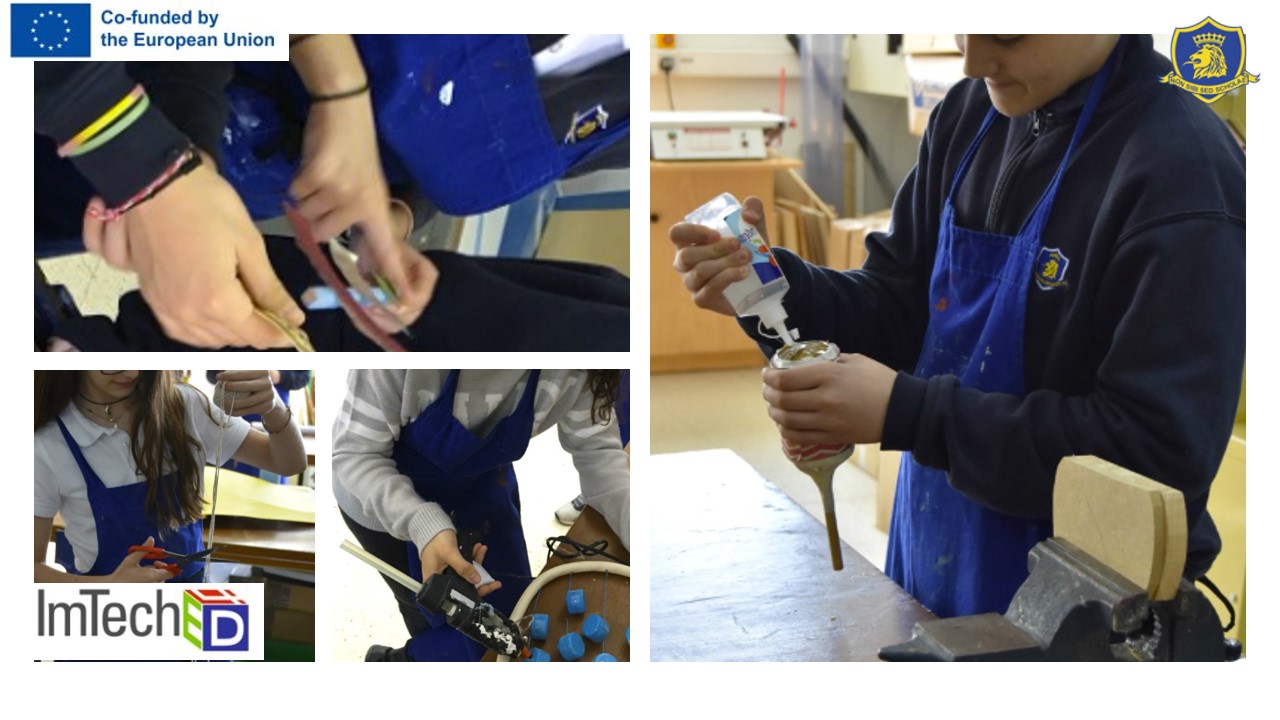
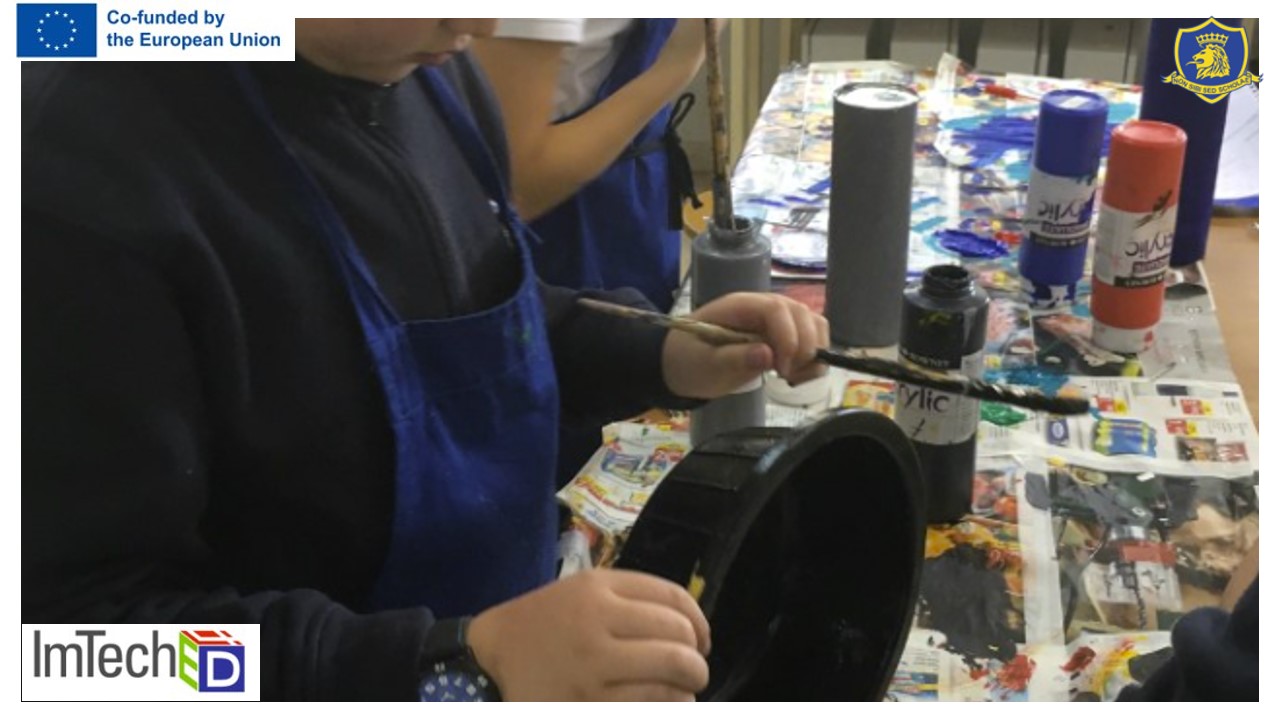
• Construction: With their materials in hand, the students set to work constructing their instruments. They learned various manufacturing methods. This phase required precision, patience, and hands-on skills.
• Testing and Refinement: After creating their instruments, the students tested them rigorously. They assessed how the instruments produced sound, their durability, and whether they were comfortable to use. This step allowed for iterative improvement.
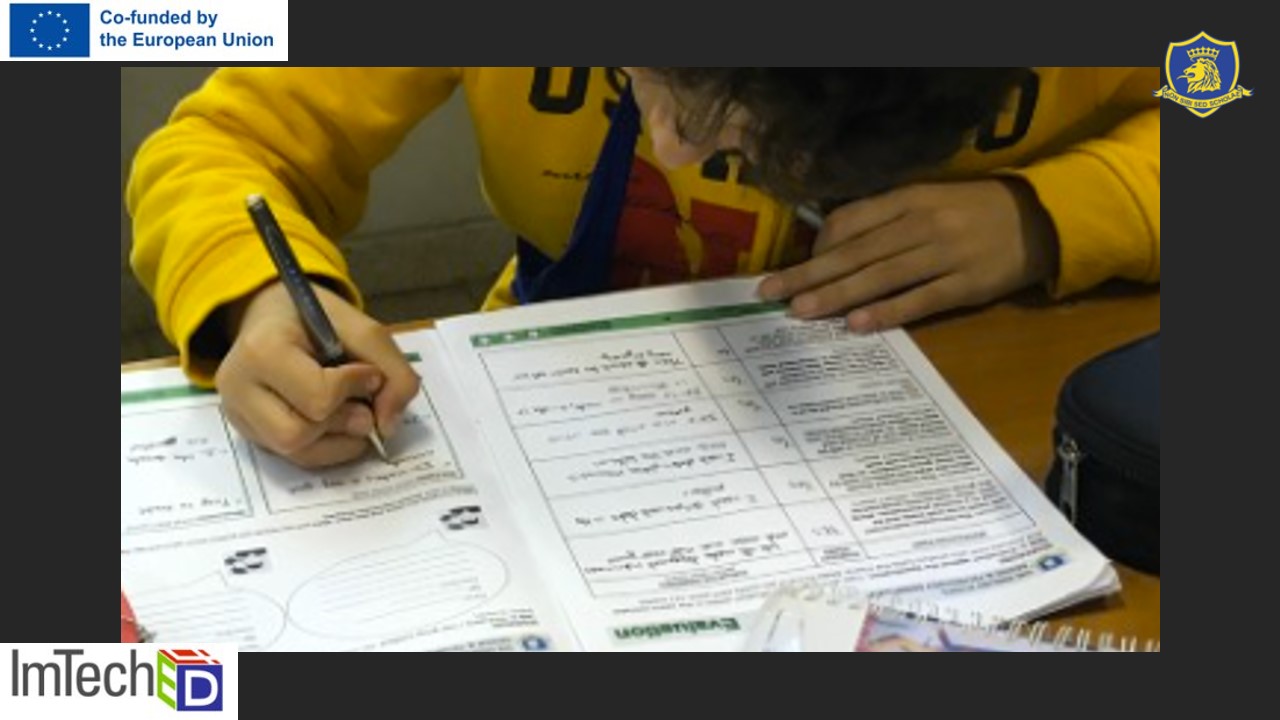
• Evaluation and Feedback: In the final phase of the project, students critically evaluated their instruments against their initial specifications. They also collected feedback from their peers and friends on how well they had done. This peer evaluation provided valuable insights and led to further refinements.
Benefits for the Students
The project delivered a multitude of benefits to the students involved:
• Hands-on Learning: Students gained practical experience in design, engineering, and craftsmanship. They learned how to apply theoretical knowledge to real-world challenges.
• Creative Expression: The project ignited their creativity. Students had the freedom to express themselves through their instrument designs, which resulted in a diverse range of musical creations.
• Problem-Solving Skills: The project encouraged critical thinking and problem-solving. Students faced design challenges and had to find innovative solutions to make their instruments both functional and aesthetically pleasing.
• Collaboration: Teamwork was an integral part of the project. Students learned how to work effectively in groups, share ideas, and communicate to achieve a common goal.
• Music Appreciation: By crafting their own instruments, students deepened their appreciation for music and the role of percussion in creating rhythms.
The project not only addressed a practical need but also ignited the passion for innovation, creativity, and learning in the hearts of students. These handcrafted musical instruments will not only serve as tools for playing rhythmic pieces but also as symbols of the students' ingenuity, teamwork, and dedication to the world of music. ImTech4Ed stands as a shining example of what can be achieved when education, creativity, and technology intersect.